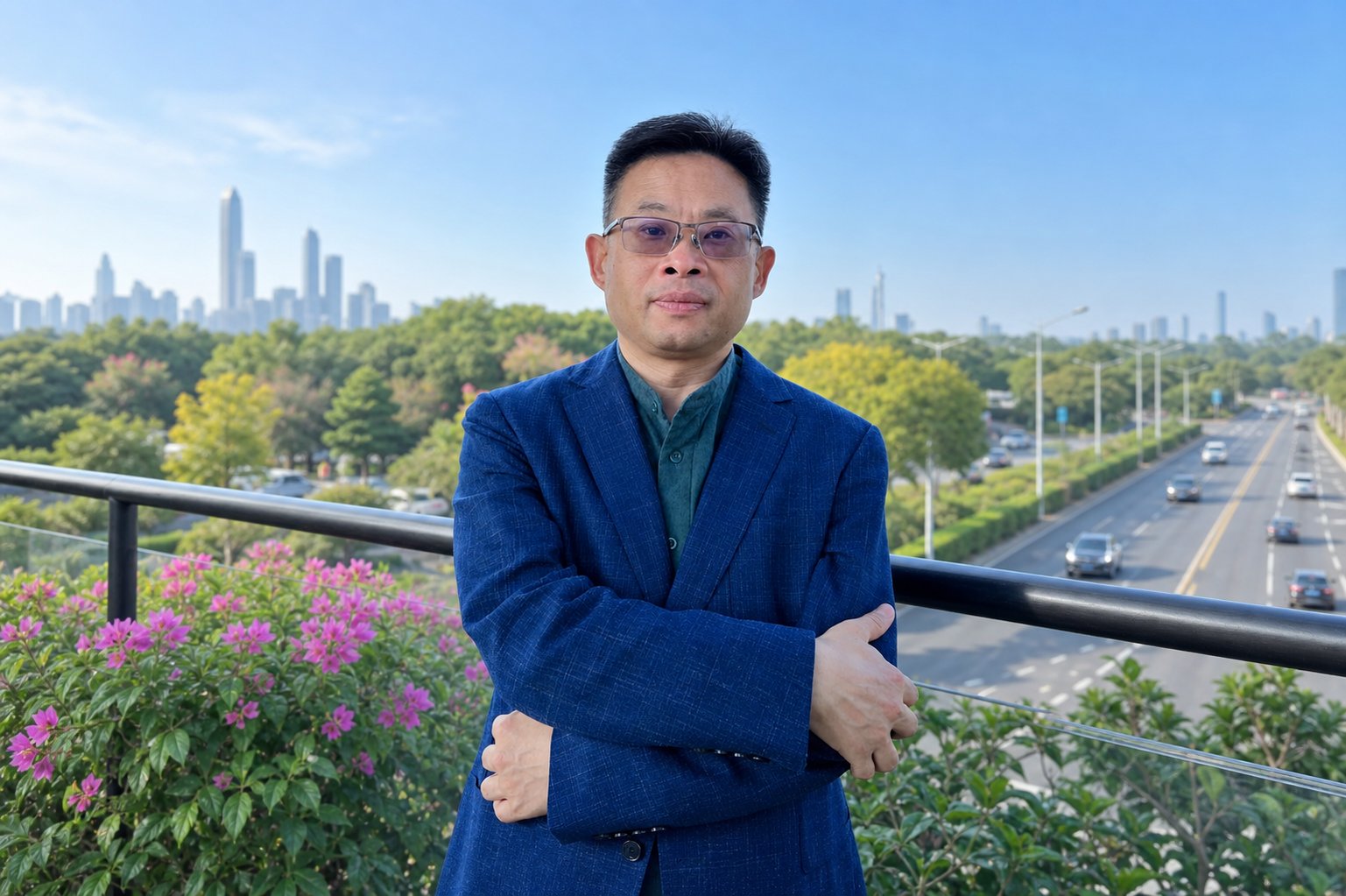

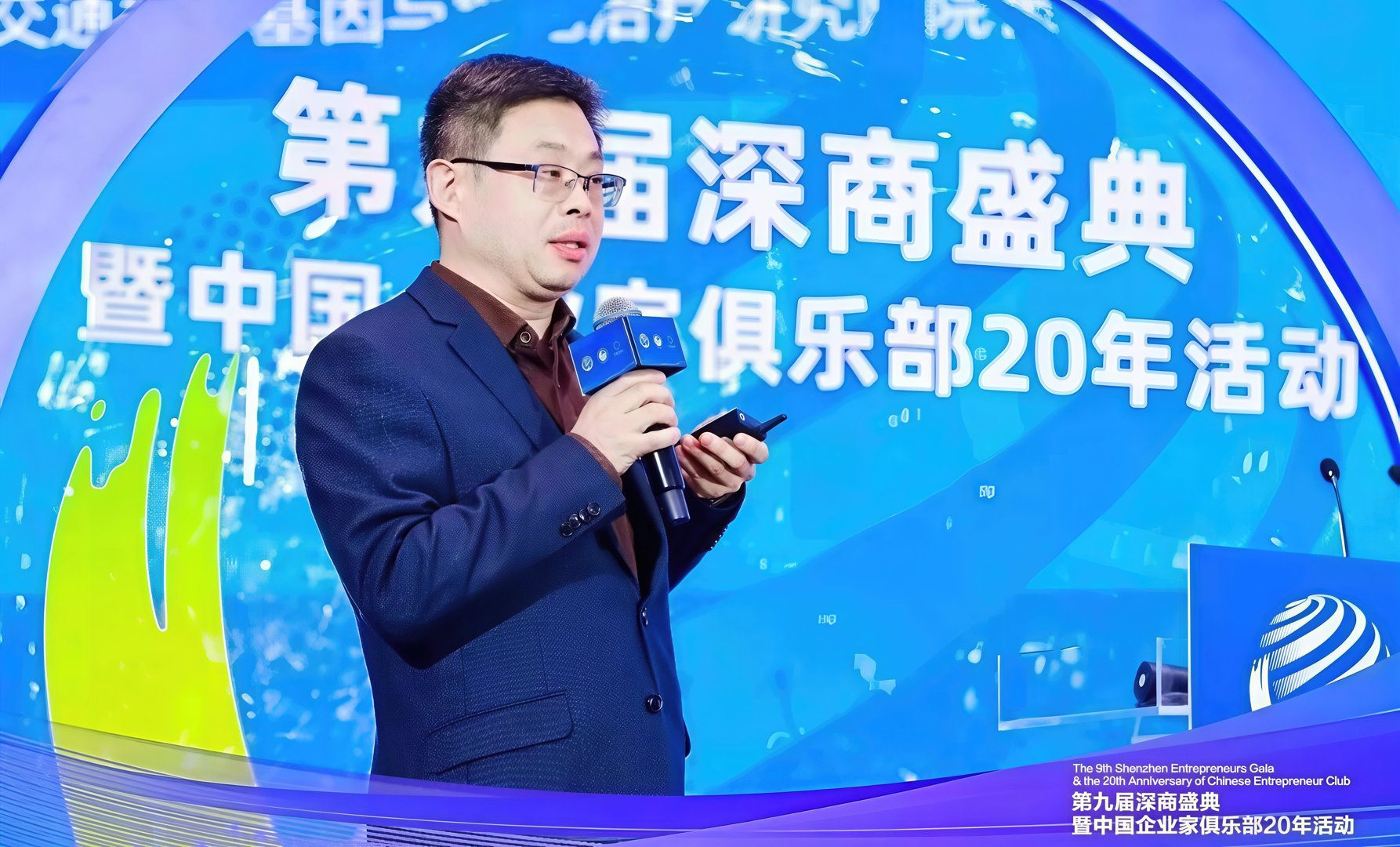
Recently, at the Life & Health Forum of the 9th Shenzhen Business Gala, Dr. Fan Xiaohu, founder of Wandao Cell Technology and Dean of the Institute of Gene and Cell Therapy at Xi’an Jiaotong University, delivered a keynote speech. As a leading figure in the CAR-T field, he shared global development trends in cell and gene therapy, explained the technological advantages and industry pain points of CAR-T cell therapy, and proposed that universal cell therapy is the key pathway toward making cancer treatment broadly accessible. His insights offered a new direction for overcoming cost barriers and expanding treatment accessibility across the industry.
China’s Cell Therapy Industry: A Pillar of Global Innovation
“Over the past decade, China’s biopharmaceutical industry has achieved a leapfrog transformation—from being a major producer of generic drugs to becoming a global powerhouse in innovative medicines. In the field of cell and gene therapy, China has already demonstrated world-leading momentum,” Fan Xiaohu said during his speech.
He noted that the internationalization reforms of China’s drug regulatory system have created a favorable environment for innovative drug development. At the same time, China’s vast patient population and highly efficient clinical research infrastructure provide the country with unique advantages in the field of cell therapy.
Fan explained that China now accounts for nearly 30% of the world’s innovative drug pipeline, with clinical research activity far exceeding that of Japan and the European Union. “In the field of biopharmaceutical innovation, China leads the world in clinical trial enrollment speed, and the number of early-stage Phase I and II exploratory clinical trials ranks among the highest globally. According to the latest Bloomberg analysis, the global innovative drug industry is becoming increasingly dependent on China, and the U.S. government has grown anxious about the rapid rise of China’s biopharmaceutical sector.”
This growth has also generated substantial international returns. In 2025, the value of partnerships and intellectual property licensing deals between Chinese innovative drug companies and global pharmaceutical giants approached USD 100 billion, with large volumes of Chinese technologies and clinical data gaining international recognition.
“In just over a decade, China has evolved from a follower in global biopharma into a major leader. In the coming years, it is very likely that nearly half of the world’s innovative drugs will be developed by Chinese scientists. Cell and gene therapy, in particular, is one of China’s strongest strategic sectors.”
Fan added that Shenzhen, as a city of innovation, provides fertile ground for the development of the cell therapy industry. “I chose Shenzhen for my second entrepreneurial venture precisely because of its innovation ecosystem and strong policy support. Shenzhen’s ‘20+8’ strategic emerging industries initiative and its excellent startup environment offer comprehensive support for cell and gene therapy enterprises, helping companies grow rapidly.”
CAR-T Therapy: A Revolutionary Breakthrough in Cancer Treatment
“The human body consists of 37 trillion cells, and the root cause of most diseases lies in disorders at the cellular and genetic levels. Cell and gene therapy offers the possibility of curing difficult diseases through precise intervention in cellular functions,” Fan explained.
He described CAR-T cell therapy as one of the most important branches of cell and gene therapy—an innovative treatment that integrates immunotherapy, cell therapy, and gene therapy into a single platform. It is often referred to as a “living precision-guided drug.”
The core principle of the therapy is to genetically engineer a patient’s own immune T cells so they can precisely recognize and destroy cancer cells. Once reinfused into the body, these modified cells continue exerting long-term anti-tumor effects.
“Compared with traditional chemotherapy and radiotherapy, CAR-T therapy offers greater precision, more durable efficacy, and fewer side effects, bringing hope of a cure to patients with relapsed or refractory cancers.”
Fan shared achievements from his previous research team: a BCMA-targeted CAR-T therapy developed at Legend Biotech (LEGN) achieved a clinical cure rate of as high as 33% in patients with advanced relapsed and refractory multiple myeloma, with no recurrence observed during five years of follow-up. Data from a Phase III clinical trial conducted in collaboration with Johnson & Johnson (JNJ) showed that after treatment in earlier-stage patients, 76% were still alive after four years of follow-up, and more than half may ultimately achieve clinical cure.
“This is a breakthrough that traditional treatment methods could never accomplish, proving the revolutionary value of CAR-T therapy in cancer treatment.”
He also emphasized that the application scope of CAR-T therapy continues to expand. Beyond hematological malignancies, encouraging clinical progress has been made in solid tumors, cardiovascular diseases, genetic disorders, and neurological diseases.
“The global market potential for cell and gene therapy is enormous. It is currently approaching USD 20 billion and is expected to become a trillion-dollar market in the future.”
Universalization: The Key Path to Solving the Cost Challenge
Despite its remarkable efficacy, the widespread adoption of CAR-T therapy has been limited by extremely high costs.
“Currently, CAR-T therapies approved in Europe and the United States are priced at USD 400,000 to 500,000, while similar products in China still cost around RMB 1 million. These prices are beyond the reach of ordinary patients,” Fan pointed out.
He explained that the fundamental reason for these high costs is that conventional CAR-T therapy is highly personalized: each patient requires a custom-manufactured cell product, resulting in a complicated production process, long manufacturing timelines, and expensive raw materials.
To address this challenge, Fan proposed that developing next-generation universal therapies is the key direction for the industry.
“Universal therapies use cells donated by healthy individuals as raw materials. Through genetic engineering, rejection-related molecules are removed, enabling large-scale standardized manufacturing. A single production batch could potentially treat thousands of patients, dramatically reducing production costs.”
The core mission of Wandao Cell Technology’s new venture in Shenzhen is to advance the development and commercialization of next-generation universal CAR-T therapies.
“We have already achieved important progress. The universal CAR-T cells we developed for lymphoma treatment have demonstrated efficacy comparable to autologous CAR-T therapy, with the longest follow-up reaching nine months without recurrence,” Fan said.
He further noted that in treatments for colorectal cancer liver metastases and hepatocellular carcinoma, universal CAR-T therapy has also shown promising tumor-killing capabilities, providing a new potential solution for solid tumors.
Fan stressed that universal therapies can not only reduce costs but also shorten treatment timelines, allowing patients to receive therapy immediately without waiting for cell manufacturing.
“Our goal is to reduce the price of CAR-T therapy to a level affordable for ordinary patients, enabling more cancer patients to benefit from this revolutionary technology.”
Looking Ahead
Looking toward the future, Fan said Shenzhen holds tremendous potential in the field of cell and gene therapy.
“We hope more industry peers will join the Guangdong-Hong Kong-Macao Greater Bay Area. By leveraging Shenzhen’s innovation ecosystem and policy support, we can work together to strengthen the industrial and innovation chains. Even in an extremely complex international environment, we can rely on the Belt and Road markets to help China’s cell and gene therapy technologies reach the world, contributing Shenzhen’s strength to the advancement of global human health.”