Less than a year after leaving Legend Biotech, Dr. Xiaohu Fan embarked on a new entrepreneurial venture. This time, he chose to head south and establish Wondercel Therapeutics (Chinese name: 湾岛细胞) in Shenzhen. In February of this year, the company completed an angel financing round worth nearly RMB 100 million, which will be used to advance the early-stage research and development of its pipeline projects.
Xiaohu Fan is a name inseparable from the development history of Legend Biotech. In July 2014, he resigned from his position at the University of Alberta and returned to China to join GenScript Biotech. Half a year later, as a co-founder of Legend Biotech, he efficiently assembled an R&D team and soon invented the “CAR-T miracle drug” ciltacabtagene autoleucel (brand name: Carvykti) for the treatment of multiple myeloma. At the end of February 2022, ciltacabtagene autoleucel was approved for marketing by the U.S. Food and Drug Administration (FDA), and was subsequently launched in the European Union and Japan, becoming China’s first cell therapy product approved in international markets.
Having spent nearly 30 years deeply involved in the fields of medical immunology and gene therapy, Xiaohu Fan’s “second entrepreneurship” still centers on cell and gene therapy (CGT).
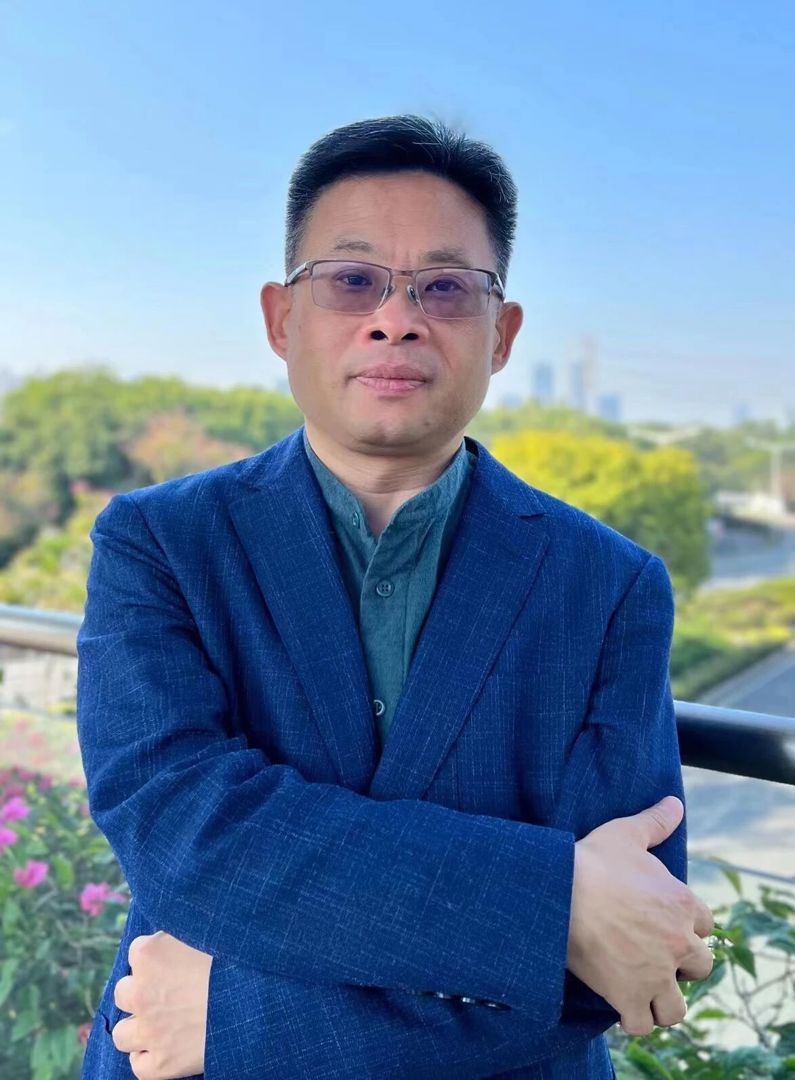
Dr. Xiaohu Fan. Image provided by the interviewee.
“I choose to focus on doing one thing not because it is easy, but precisely because it is difficult, challenging, and has a high barrier to entry.”
In recent years, CGT has gradually become a major direction in the development of the pharmaceutical industry, representing the next generation of precision therapies following small-molecule and large-molecule targeted treatments. Among these, cellular immunotherapy has become the hottest sub-sector. Despite its significant advantages and broad application prospects, the entire CGT field still faces many practical challenges today: how to transition technologies from personalized to universal approaches, how to reduce costs, how biotech companies can secure sufficient funding amid a capital winter, how payment models can benefit more patients, and how commercialization can ultimately succeed.
At the end of the interview, Xiaohu Fan told *Times Finance* that the English name “Wondercel” symbolizes “magical cells,” and that his goal is to develop such magical cells capable of defeating a wide range of human diseases.
“The human body is composed of roughly 37 trillion cells. In theory, if we can precisely manipulate cells and genes, we may be able to cure all diseases. Therefore, I believe the journey of the cell and gene therapy industry is not only a rugged road, but also a sea of stars.”
Only Pursuing “Best in Class”
Xiaohu Fan chose to leave at the peak of ciltacabtagene autoleucel’s success. At the end of March 2022, he departed from Legend Biotech and subsequently returned to academia, establishing the Institute of Gene and Cell Therapy at his alma mater, Xi'an Jiaotong University, where he became its director.
His academic return to Xi’an Jiaotong University indirectly facilitated his second entrepreneurial venture.
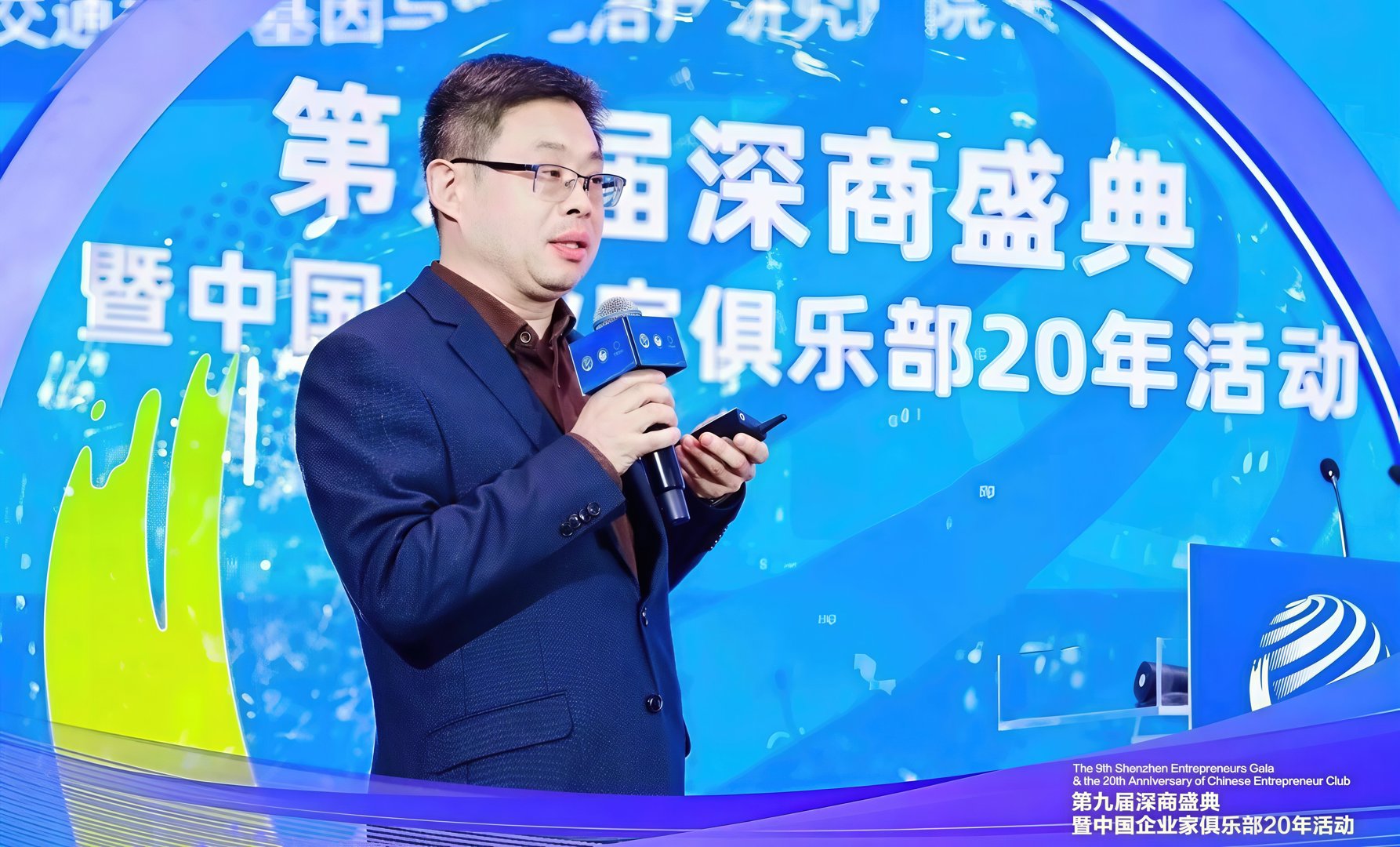
During his speech at the aforementioned innovation conference, Fan stated:
“After returning to Xi’an Jiaotong University to establish the Institute of Gene and Cell Therapy for translational collaborative research, I deeply felt the disconnect between clinical medicine, industry, and basic science. Therefore, our institute is now collaborating with six clinical departments as well as two professors from the university’s basic science division. This allows us both to better understand clinical needs and to alleviate this disconnect.”
He continued:
“Secondly, we are building cross-disciplinary technology platforms. Clearly, to pioneer a new product or technology platform and commercialize it, companies and financing are essential. We chose Shenzhen because its funding environment, policies, and ecosystem all encourage the development of open and innovative biopharmaceutical industries.”
At the end of 2022, Wondercel Therapeutics officially came into being. According to Tianyancha, Wondercel is a company primarily engaged in research and experimental development, dedicated to developing next-generation cell therapy products and providing disease-treatment solutions for patients. The company’s registered capital is US$15 million.
Xiaohu Fan did not disclose the specific focus of this new venture. He only told *Times Finance* that the company remains in a very early stage, with a very small team, much like the early days of Legend Biotech. In fact, even the company’s own laboratory space for scientific experiments had not yet been fully renovated, and they still needed to borrow laboratory facilities in Shenzhen.
Recently, his research team has already developed prototype versions of several original technology platforms. Some of these foundational platforms may eventually be applied not only to popular therapeutic immune cells such as lymphocytes, but also to various other cell types, including tissue cells and stem cells, for the treatment of different diseases.
Just as he challenged multiple myeloma in 2014 by choosing the innovative BCMA (B-cell maturation antigen) target to enter the CAR-T field, Xiaohu Fan is continuing the same philosophy today. In the interview, he emphasized that he is only interested in developing “Best in Class” products, and that any technology platform they create must also strive to be “Best in Class.”
“When developing technologies and building industries, we hope not only to achieve breakthrough discoveries like gene editing and RNA interference platforms, but also to stay grounded and work diligently. Just as when we founded Legend Biotech and developed ciltacabtagene autoleucel, innovation requires both courage and insightful thinking. Only then can we create truly original technology platforms, and with such platforms comes greater competitive advantage.”
However, entrepreneurship is never achieved overnight. Starting a pharmaceutical company is more like running a long marathon — it requires perseverance, flexibility, and foresight.
“In pharmaceuticals, one must have a long-term vision and avoid short-sightedness.”
Xiaohu Fan told Times Finance that commercialization strategy is the most important aspect throughout the entrepreneurial journey. Ultimately, the goal of building a company is successful commercialization of products. Such “success” does not merely mean meeting current needs, but also meeting clinical needs seven to ten years after official product launch. Only by remaining internationally competitive and creating exceptional value for society can true commercial success be achieved.
In Pharmaceuticals, Technology Matters Most
For the pharmaceutical industry, which develops over long cycles, successful commercialization is the ultimate goal. Yet amid the current capital winter, funding has become a major constraint on industry development.
According to the IT Juzi database, China’s biopharmaceutical financing reached its peak in 2021, with 1,009 investment and financing events totaling RMB 256.38 billion. Afterwards, the sector experienced a “cliff-like” decline. In 2022, there were 779 financing events in China’s biopharmaceutical industry, down 22.8% year-over-year, with total financing of RMB 178.137 billion, down 30.5%. In the first half of 2023, there were only 251 financing events, totaling RMB 50.809 billion.
“The changes in capital markets over the years are like a pendulum, constantly swinging between overheating and overcooling. This also reflects a problem: China’s capital market may still differ to some extent from mature international capital markets.”
Xiaohu Fan remarked to Times Finance:
“Of course, investment risks in biopharmaceuticals are indeed quite high. As a result, investment enthusiasm for innovative drugs has cooled globally. Many innovative biotech companies in the United States have also performed poorly in secondary markets, causing losses for investors. That is a fact.”
Several industry insiders interviewed by *Times Finance* said that under the broader backdrop of the pharmaceutical winter, financing difficulties have become one of the bottlenecks restricting the development of CAR-T therapies and the entire CGT sector. Xiaohu Fan, however, holds a different perspective. He believes that having too much “hot money,” or obtaining funding too easily, can actually lead some biopharmaceutical companies astray.
“In pharmaceuticals, technology is the most important thing. Only by focusing on mastering competitive technologies can companies work steadily and pragmatically, instead of being driven solely by how much funding they can raise, becoming distracted, forgetting their original mission, and being burdened by money.”
He added:
“As a long-distance race, the cell and gene therapy industry must ultimately rely on safety and efficacy to prove its value. Only then can the industry develop in a healthy and sustainable manner.”
Since returning to China to start his business in 2014, ciltacabtagene autoleucel has undoubtedly been Xiaohu Fan’s greatest achievement. Benefiting from the halo surrounding the product’s successful commercialization and market approval, Wondercel Therapeutics completed an angel financing round worth nearly RMB 100 million this February — less than six months after its establishment — with exclusive investment from YuanBio Venture Capital.
Xiaohu Fan stated candidly that because of the successful commercialization of ciltacabtagene autoleucel, the capital market already has a certain level of confidence in him, so fundraising has not been difficult. However, at this stage, he does not require excessive amounts of capital.
“In the early stages of original preclinical technology development, first, you do not need many personnel, and second, you do not need to burn a lot of money. If we later enter clinical development and commercialization stages, substantial funding support will certainly be necessary — but that is still far away.”
Beyond financing and commercialization, the CGT industry currently faces many other challenges, such as high manufacturing costs, large clinical development expenditures, and extremely expensive treatment prices. These issues will require time to solve one by one.
Xiaohu Fan explained to *Times Finance* that many cell therapy products currently under development may ultimately achieve excellent efficacy and successfully reach the market. However, they also face a serious health economics problem: healthcare systems in many countries may find it difficult to bear the burden of so many high-priced therapies entering the market.
Since public insurance systems cannot fully cover these therapies in the short term, the industry must not only explore innovative payment models to improve patient access, but also reduce costs and improve efficiency to address the chronic cost issues of the CGT sector — a consensus that has already formed within the industry.
“For scientists working in our field, it is extremely important to prioritize cost reduction at the very early stages of therapy or product development.”
Xiaohu Fan concluded:
“Encouragingly, China’s pharmaceutical industry is advancing rapidly, and the security of the biopharmaceutical supply chain is no longer a false proposition — it is a process that is actually happening.”